Create political ads at agency scale with AI
More creative firepower per client, every disclaimer and review in its own lane.
Political Agencies creatives made with HawtAds
6 ads on this page
Brief it once. Build every format.
5 steps
Start with your brand and brief, then move through review to the finished sizes your campaign needs.
Step 1: Brand
Load each client committee brand, candidate assets, voice, and approved sources
Step 2: Brief
Give every campaign moment its own sponsor, message, proof, action, and plan
Step 3: Refine
Explore strategic routes without ever mixing client references or language
Step 4: Proof
Catch cross-client drift and crowded text early, then check each client’s requirements
Step 5: Generate
Hand each client a focused, review-ready campaign family
How to create political ads at agency scale with AI
Three client requests land before the first status meeting ends. One is a candidate committee, one is a PAC, and one is a Super PAC prepping an independent expenditure. HawtAds gives each brief its own creative workspace and turns approved messages into static and video options without ever mixing one client’s material into another account. Your reviewers still decide what ships.
Every client is urgent at once
The calendar has a talent for putting every client’s fundraising, endorsement, response, and turnout assets on the same day, each with its own candidate, sponsor language, and reviewers.
Speed is great right up until the wrong portrait lands in a concept, a sponsor line follows the team over from another committee, or a quotation loses its attribution.
HawtAds turns each approved brief into a focused production run, with brand inputs, references, exclusions, and review decisions attached to that job.
- Several clients, one deadline Debate nights, filing dates, and fundraising cutoffs concentrate work across the whole roster at once.
- A small carryover is a big error Candidate photos, sponsor lines, and quotations must never drift between committee briefs.
- Feedback changes by channel A concept approved in a deck still needs readable text, crops, and disclaimer treatment in every format.
- Handoffs lose their history When creative, accounts, counsel, and media each see a different folder, nobody knows which asset is current.
Give every client brief its own lane
Start each brief with the client, the office, the moment, the approved message, the sponsor line, and the reviewers. Add only references that belong to that job, and spell out what must never appear.
HawtAds then explores candidate-led, action-led, or proof-led routes without borrowing context from another project. Your strategists still make the calls, but the first round already knows the brand.
| Agency decision | Keep in the brief | Confirm before delivery |
|---|---|---|
| Client identity | Committee, candidate, office, brand source | Correct assets and sponsor information |
| Message | Approved statement, quotation, proof, date | Current wording and source support |
| Placement | Channel, ratio, text hierarchy, duration | Crop, readability, disclaimer treatment |
| Destination | Landing page and intended action | Message match and active URL |
| Review | Named owners and requested deadline | Selected version and recorded decision |
Candidate committees, PACs, and Super PACs can share an agency without sharing a creative lane. Keep the sponsor, source library, approvals, and destinations separate for every client, and pair a Super PAC’s production boundary with the client’s own coordination controls. The FEC defines Super PACs as independent expenditure-only political committees in its Super PAC registration guidance and independent expenditure guidance.
Give every option a reason to exist
Variations earn their place when they test a real choice. One route leads with biography, another makes an endorsement the proof, a third strips the action down for a small banner. The client chooses between framings instead of proofreading.
Once a direction wins, the portrait gets a sequence, the square balances recognition and action, and the landscape banner gets a shorter headline, all carried from the same campaign file.
The same approved frame can become a short campaign video. Animate it in its own shape, describe the motion you want in a sentence or two, and review the result beside the static family.
Curate the options and name the role of each one. The next decision is then an easy pick between clearly different routes.
Build the rapid-response muscle before the news hits
Load approved candidate assets, sponsor-line guidance, common ratios, and the off-limits list, and name the reviewers before the moment arrives.
When news creates a message, the team only has to think about the message. Enter the approved statement, generate controlled routes, and send a short list into the review path you already built.
Ultra reviews every draft it generates. A draft with clipped text, missing required copy, or a message the brief did not ask for goes back for another round, and only the drafts that pass are delivered. Counsel and media owners receive the current asset with its full context.
Make the next campaign easier than the last
Brand extraction shortens setup, focused briefs sharpen generation, client-approved references keep the visuals continuous, and format adaptation kills the resizing grind. A shared review gives the agency one version to take to the client instead of five folders to reconcile.
That holds for a single local race and for a shop running twenty committees. Take the client request most likely to blow up into five late handoffs and run that brief through HawtAds first. The short distance between “approved” and “ready in every size” is the HawtAds Advantage.
A clearer path to review
4 checks
Agencies carry campaign, sponsor, platform, jurisdiction, rights, and review context across many assets. HawtAds supports controlled production and records the decision path for each brief.
Distinct briefs keep the client committee, candidate assets, office, campaign moment, message, sponsor line, destination, and references together.
Ultra reviews each draft for clipped or misspelled text and drift from that client’s brief, including anything the brief rules out, and delivers only the drafts that pass.
Format review gives agency and client teams a chance to confirm that required language remains readable in each actual placement.
The project’s earlier versions and the approval decisions show which asset was selected, what changed, and which campaign owners completed the handoff.
Ultra checks every draft against your brief before it is delivered, and Preflight checks a finished ad against each network’s rules. Neither provides legal advice or guarantees acceptance by any platform.
Reviewed by HawtAds regulatory content review
Political Agencies ad questions
6 questions
Open a focused HawtAds brief for each client and campaign moment, with its own brand, approved message, references, sponsor language, and reviewers. Generate several routes at once, keep the strongest, then adapt the winner across every required ratio before the media team runs final launch review.
Creative and account leads still set the message, the quality bar, and the review owners. HawtAds speeds up the middle: concept production, Ultra’s draft review, image-to-video creation, format adaptation, and handoffs. Campaign leadership, counsel, finance, and media owners then approve the complete campaign and launch setup.
Give every committee and campaign its own brief, brand source, references, disclaimer, destination, and review group. Never reuse candidate imagery, quotations, or sponsor language across clients. Before export, check the asset against the active brief and confirm every visible detail belongs to the right account.
Send the proposed asset with its purpose, sources, current copy, sponsor line, placement, dimensions, destination, known disclosure needs, and version history. A reviewer should see what changed and who owns the next decision without piecing the story together from chat messages and filenames.
Yes, and the trick is preparation. Load approved brand assets, disclaimer treatments, common ratios, constraints, and review owners before the moment arrives. When news creates a new message, the agency briefs that one communication, generates controlled routes, and moves the winners through a review path that already exists.
Yes. Give every candidate committee, PAC, Super PAC, and communication its own HawtAds brief with its own sponsor identity, references, exclusions, and reviewers. Production stays cleanly separated, while the agency and client keep the coordination controls, reporting, disclaimer, and legal review the work requires.
Related industries
All industries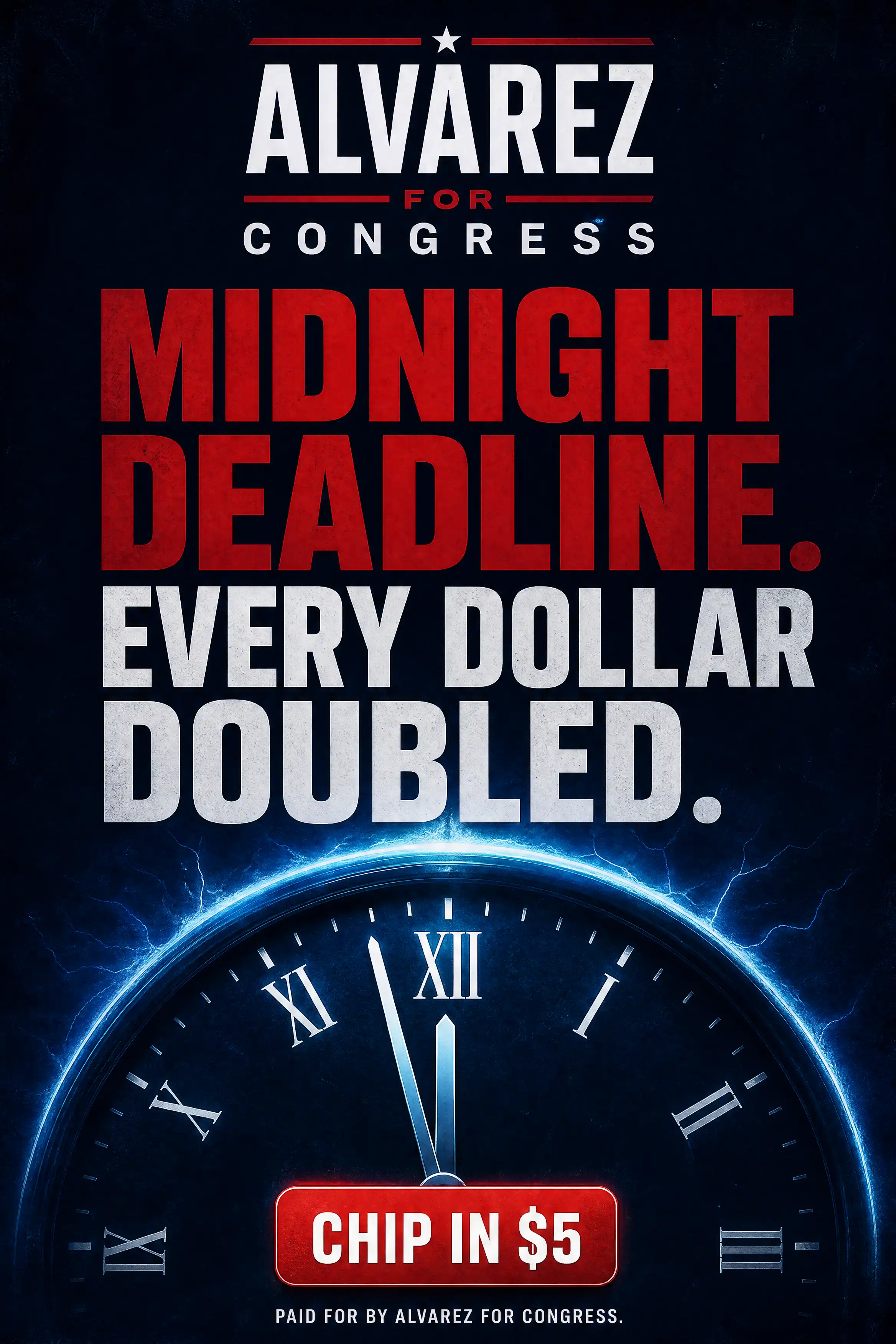 Political Campaigns, PACs & Super PACs. One approved message in, a campaign family out, the review record attached throughout.
 Public Affairs & Advocacy. Issues move fast. Your approved language and disclosures move with them.
 Nonprofits & NGOs. One mission brief becomes fundraising, program, event, and volunteer creative.
 Government Communications. Bus detours, storm prep, summer programs, hiring. Approved information, every format.
Create your next client campaign this week
Turn your brief into the formats you need. Your first ad is free, no card required.
