Create healthcare ads with AI
Explain access and care with clarity and dignity, sensitive claims under review.
Healthcare creatives made with HawtAds
5 ads on this page
Brief it once. Build every format.
5 steps
Start with your brand and brief, then move through review to the finished sizes your campaign needs.
Step 1: Brand
HawtAds captures provider or health brand, service context, palette, audience, and voice
Step 2: Brief
Set service, location, intended audience, approved message, privacy limits, and CTA
Step 3: Refine
Add real facility or interface references and compare access or education routes
Step 4: Proof
Review sensitive imagery, health claims, audience fit, and supplied constraints
Step 5: Generate
Careful campaign options render for access, awareness, recruitment, and education
How to create healthcare ads with AI
A new clinic opens next month and the service line needs creative that explains access without making a medical claim. HawtAds creates healthcare ads with AI from your health brand, the approved message, and suitable references, building respectful education and access routes. Clinical, privacy, and legal owners approve imagery, claims, data use, and targeting before export.
A healthcare ad can infer something about the viewer
A close-up of a symptom or a direct second-person headline can feel diagnostic or intrusive. The same ad also enters targeting systems where health interests and personal data receive special treatment.
The production task is therefore wider than design. Teams need to assess the service, claim, patient representation, data source, audience, placement, and landing experience as one campaign.
- Sensitive inference Copy and imagery can suggest that the platform or advertiser knows a private condition about the viewer.
- Outcome overstatement Hopeful visual language can become a promise of cure, speed, or certainty that the service cannot make.
- Service variation Clinics, telehealth, devices, and apps have different professional, platform, and privacy questions.
- Many reviewers Brand, clinical, privacy, legal, and media teams may all need to approve different parts of the asset.
Make access and action concrete
Healthcare creative is often strongest when it explains a respectful next step instead of dramatizing a condition or making fear the main conversion device.
| Campaign | Helpful focus | Review question |
|---|---|---|
| Local care | Service, location, access, and booking path | Are availability and professional details accurate? |
| Telehealth | Eligibility, process, and what happens next | Does the creative imply care beyond the service scope? |
| Health app | Real task or interface moment | Are data and outcome implications appropriate? |
| Public education | Clear information and credible source | Is the message current, balanced, and understandable? |
Keep sensitive data out of the creative workflow
Build briefs from approved, non-identifying campaign information and staged or licensed references. Never add protected health information simply to make a prompt more specific.
HawtAds keeps visuals conservative and records audit decisions. It cannot decide what counts as marketing under HIPAA, whether a claim is clinically supported, or whether targeting is permitted. Your qualified owners make those calls.
A clearer path to review
4 checks
Healthcare ads can involve sensitive claims, personal data, restricted targeting, and location-specific professional rules. HawtAds supports the work with Ultra’s draft review, Preflight checks, and team review, not clinical, privacy, or legal approval.
Ultra’s draft review fails any draft with a cure, result, or other claim beyond the approved copy, and sends it back for another round.
The same review checks each draft against the brief, including anything the brief rules out, and only the drafts that pass reach your project.
The review also fails a draft with misspelled required copy or a CTA you can’t read. Qualified reviewers still confirm every clinical or access statement.
Watermarked previews give privacy, clinical, legal, brand, and media owners one asset to review without treating any check as final approval.
Ultra checks every draft against your brief before it is delivered, and Preflight checks a finished ad against each network’s rules. Neither provides legal advice or guarantees acceptance by any platform.
Reviewed by HawtAds Health Claims Review
Healthcare ad questions
5 questions
Give HawtAds the provider or health brand, service, location, intended audience, approved message, evidence, privacy limits, and next step. Add real facility or interface references where useful. Generate respectful concepts, then route all health claims, targeting, disclosures, and patient information questions through qualified review before export.
No. Health-related targeting and personalized advertising rules depend on the platform, location, audience data, and service. HawtAds helps produce the creative and capture review, but it does not approve audience lists or data use. Privacy, legal, and media owners must assess the complete campaign setup.
Use respectful, age-appropriate imagery that does not shame, diagnose, frighten, or expose a real person’s health information. Avoid dramatic cure or suffering scenes unless the approved campaign genuinely requires and supports them. Review what the image implies about symptoms, outcomes, identity, and who is being targeted.
Yes, with separate briefs. A local clinic may focus on access and location. Telehealth may explain eligibility and the care path. A health app can show a real workflow. Each service can face different licensing, privacy, platform, and claim rules, so the same language should not be copied across them.
Your data is encrypted in transit and at rest. That does not make every patient detail appropriate for an ad workflow. The audit workflow helps teams review watermarked creative and record decisions, but advertisers should not add protected health information or unnecessary patient data. Privacy and security owners must decide what is appropriate under applicable rules.
Related industries
All industries Pharma. Campaign routes that keep benefits tied to the risks that make them accurate.
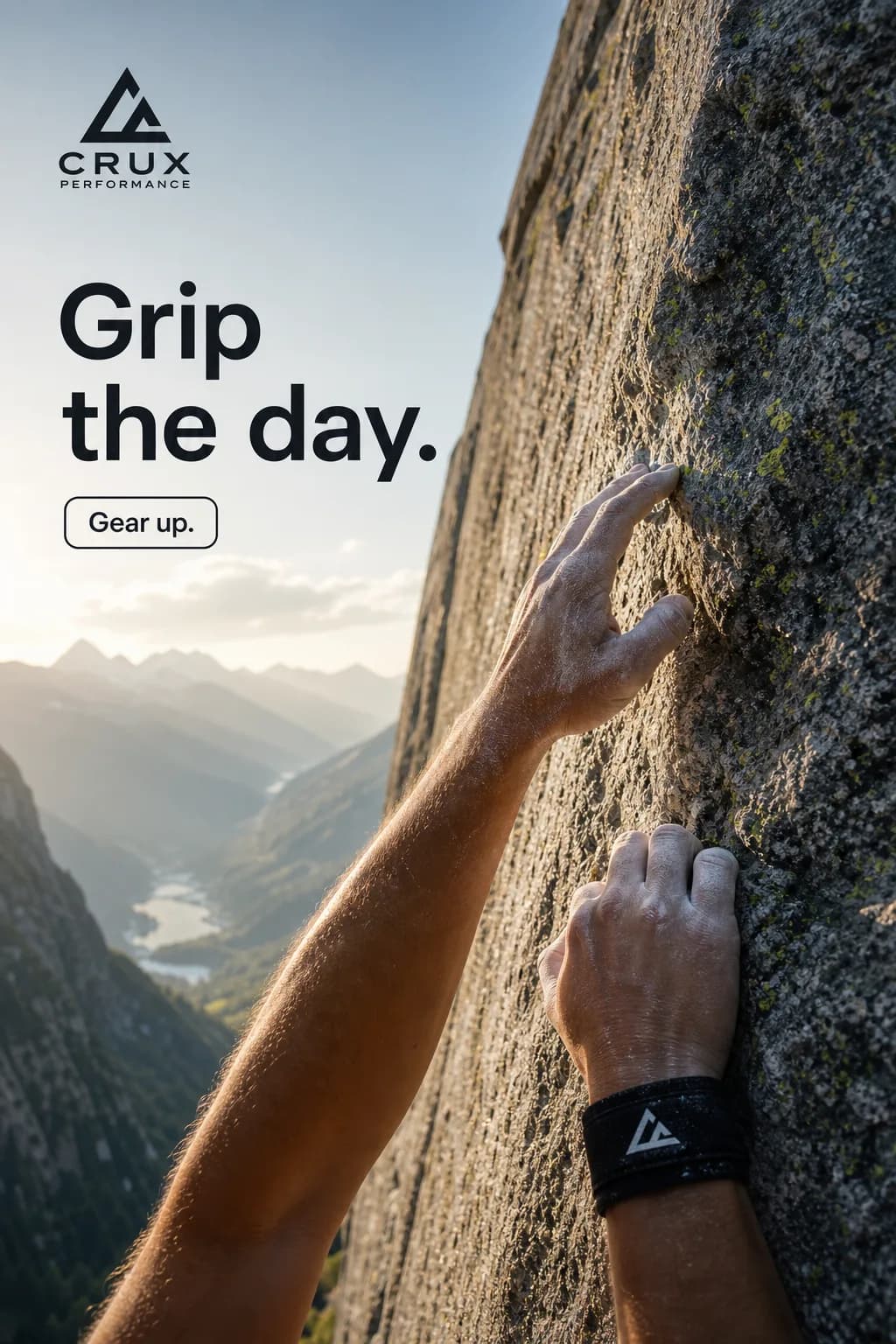 Fitness & Supplements. Energetic product creative that stays clear of unsupported health claims.
 Insurance. Turn complex coverage into clear interest without promising what the policy does not.
 Sexual Wellness. Clarity and sex appeal, without shame spirals or mystery blobs hiding what you sell.
Create your next healthcare campaign this week
Turn your brief into the formats you need. Your first ad is free, no card required.
