Create beauty and cosmetics ads with AI
Launch, routine, and shade stories that keep the product recognizable.
Beauty & Cosmetics creatives made with HawtAds
5 ads on this page
Brief it once. Build every format.
5 steps
Start with your brand and brief, then move through review to the finished sizes your campaign needs.
Step 1: Brand
Palette, packaging language, logo, finish, and brand voice shape the art direction
Step 2: Brief
Make the product, audience, routine step, approved benefit, and CTA explicit
Step 3: Refine
Add pack shots, texture references, placements, and contrasting visual routes
Step 4: Proof
Go over product identity, claim wording, copy hierarchy, and brand fit
Step 5: Generate
Beauty concepts render for discovery, launch, education, and retargeting
How to create beauty and cosmetics ads with AI
Legal approved one sentence about hydration, and the concept deck wants to say transforms. HawtAds builds beauty and cosmetics ads from an accurate product reference, the routine moment, and only the language you cleared, then produces the crops and messages a launch needs. You review packaging, shade, and texture at customer scale before export.
Beauty creative has to sell a feeling and a physical product
Dewy, weightless, soft-focus, and luminous help a shopper imagine an experience through a screen. The ad still has to show what arrives in the box without turning that feeling into an unsupported promise.
A launch needs teaser, reveal, routine, offer, creator, and retargeting assets across several ratios. The visual world has to stay coherent while each does a different job.
- Packaging distortion Small changes to a label, cap, shade, or logo can make the hero product look counterfeit.
- Claim creep Evocative copy can slide from a cosmetic benefit into a medical or guaranteed result.
- Shade sensitivity Color is part of the product, so an inaccurate tone can mislead a customer before purchase.
- Launch volume One product story quickly becomes dozens of crops, messages, and audience variations.
Choose a beauty story before choosing a backdrop
A strong brief defines how the viewer should understand the product. Different campaign stages need different evidence.
| Creative route | Best for | What needs to stay clear |
|---|---|---|
| Product still life | Launch and brand recognition | Package shape, label, finish, product name |
| Texture study | Formula and sensory appeal | True color, consistency, and product context |
| Routine moment | Education and consideration | Where the product fits and how it is used |
| Shade story | Range and selection | Accurate variation names and visible differences |
Generate these routes as separate directions so no single frame has to carry every proof point.
Review at the level a customer will notice
Compare the creative with the approved package reference, read the smallest copy, and check that skin texture or results do not imply more than the approved claim. Testimonials and quantified results need substantiation and disclosure review.
HawtAds turns a clear product description into polished options quickly. The final call belongs to whoever knows the shade, customer, and claim well enough to spot a beautiful image that misleads.
Beauty & Cosmetics ad questions
5 questions
Add your brand URL, an accurate product or packaging reference, and a brief that names the audience, routine moment, approved benefit, and CTA. HawtAds creates visual directions around those inputs. Review the package, shade, texture, and claim carefully on every ad before you export any campaign asset.
Yes. Generate distinct launch routes such as product-first still life, texture-led composition, routine context, or a shade story. Keep the package and approved language fixed while the surrounding art direction changes. This gives the team useful choices without making every option look like a minor color edit.
Use a clean, approved pack shot as a reference and treat it as the source of truth. Inspect spelling, logo placement, color, cap shape, and label details at full size. When exact packaging is essential, hold back any version that strays from that pack shot until an edit brings it back in line.
Include the product format, finish, shade or variant, target customer, routine step, approved claim, visual mood, offer, and desired action. Mention what must not change. Clear constraints make room for better creative choices because the system does not have to guess which facts are flexible.
Yes. After choosing a direction, you can prepare square, portrait, story, landscape, and standard display versions. Each format still needs a visual check. A texture detail that works in a portrait story may need a simpler crop in a banner, and small benefit copy may need to move or shorten.
Related industries
All industries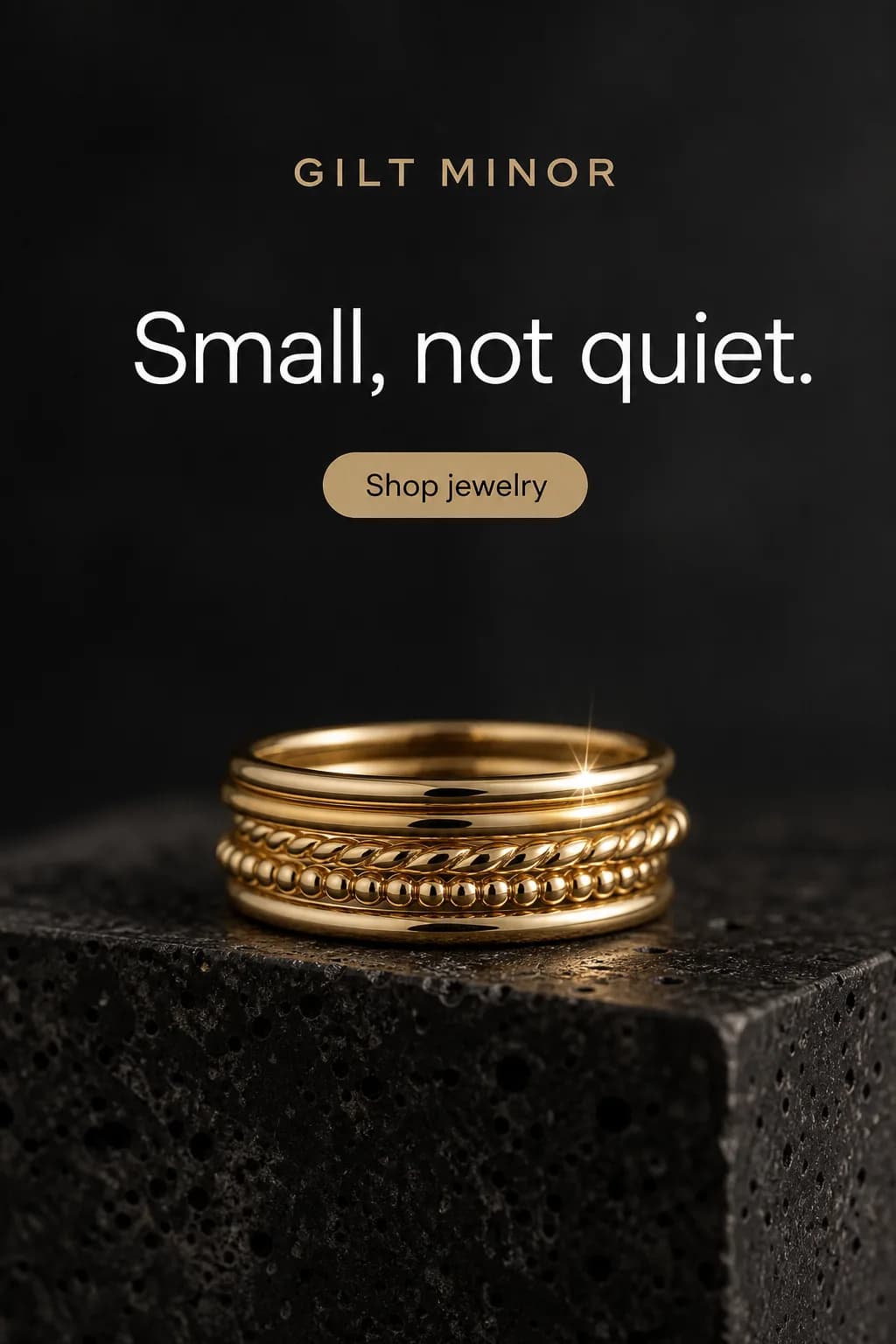 Accessories. Every bag, watch, and frame gets its own campaign, one visual identity.
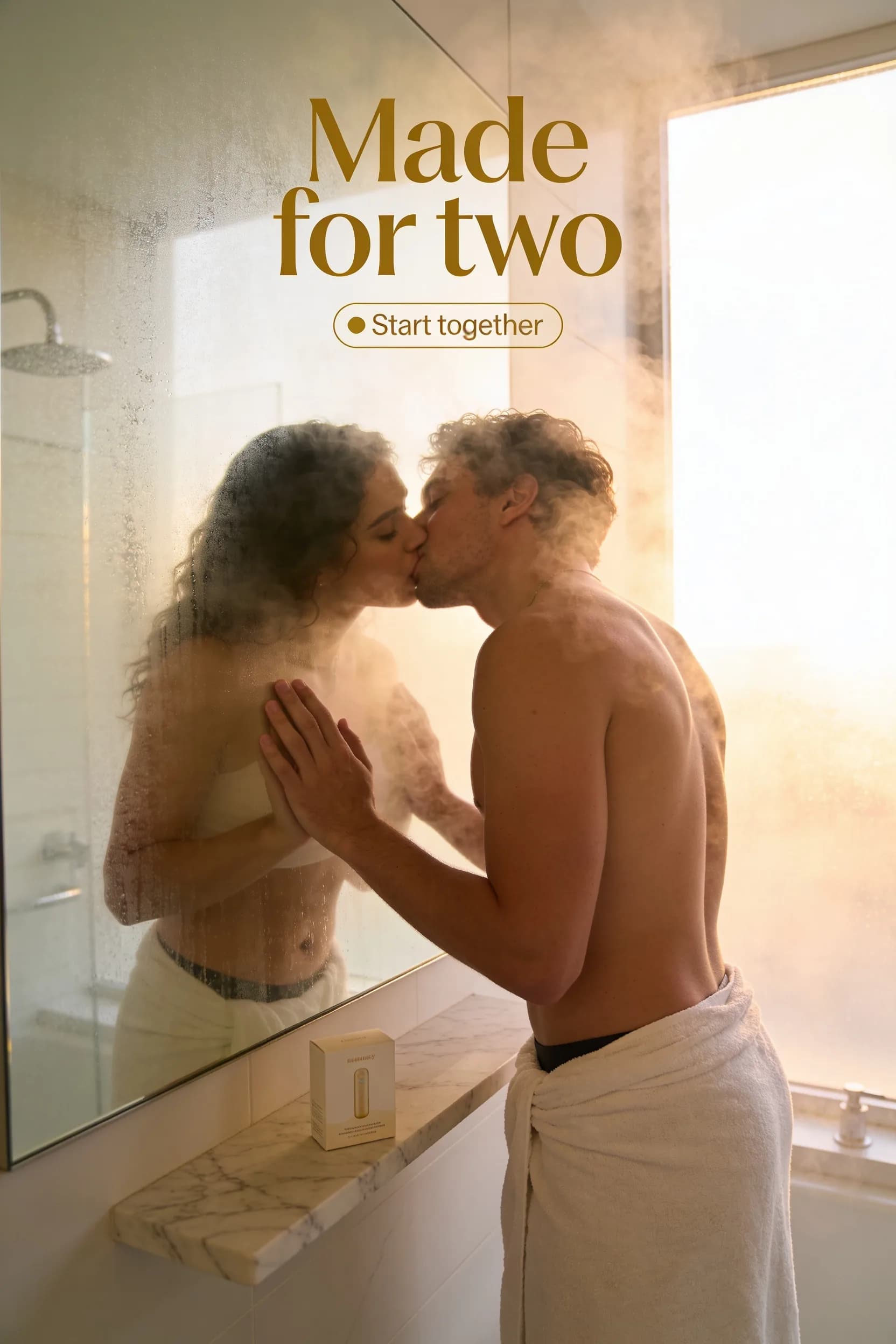 Sexual Wellness. Clarity and heat, without shame spirals or mystery blobs hiding what you sell.
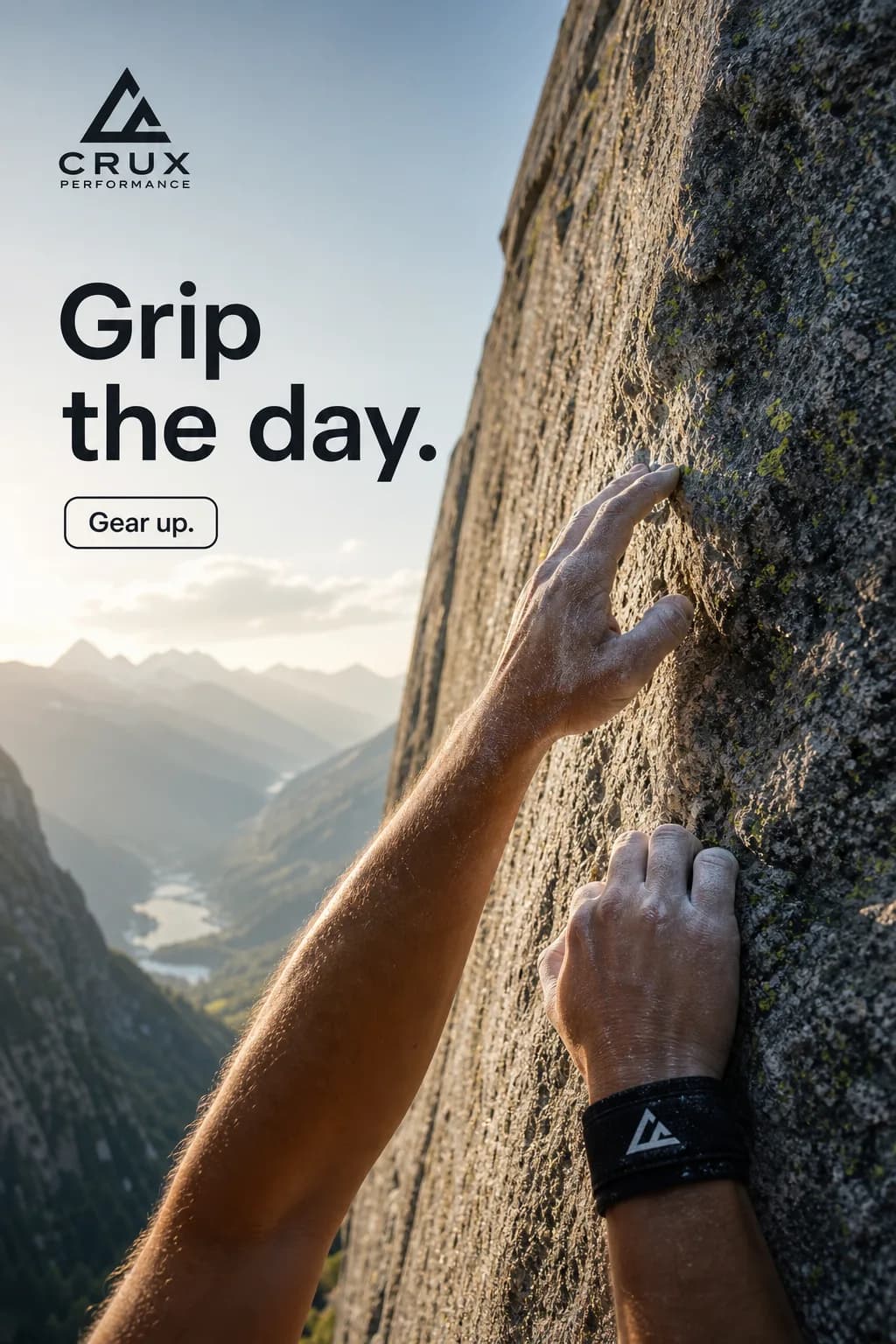 Fitness & Supplements. Energetic product creative that never turns into an unsupported health claim.
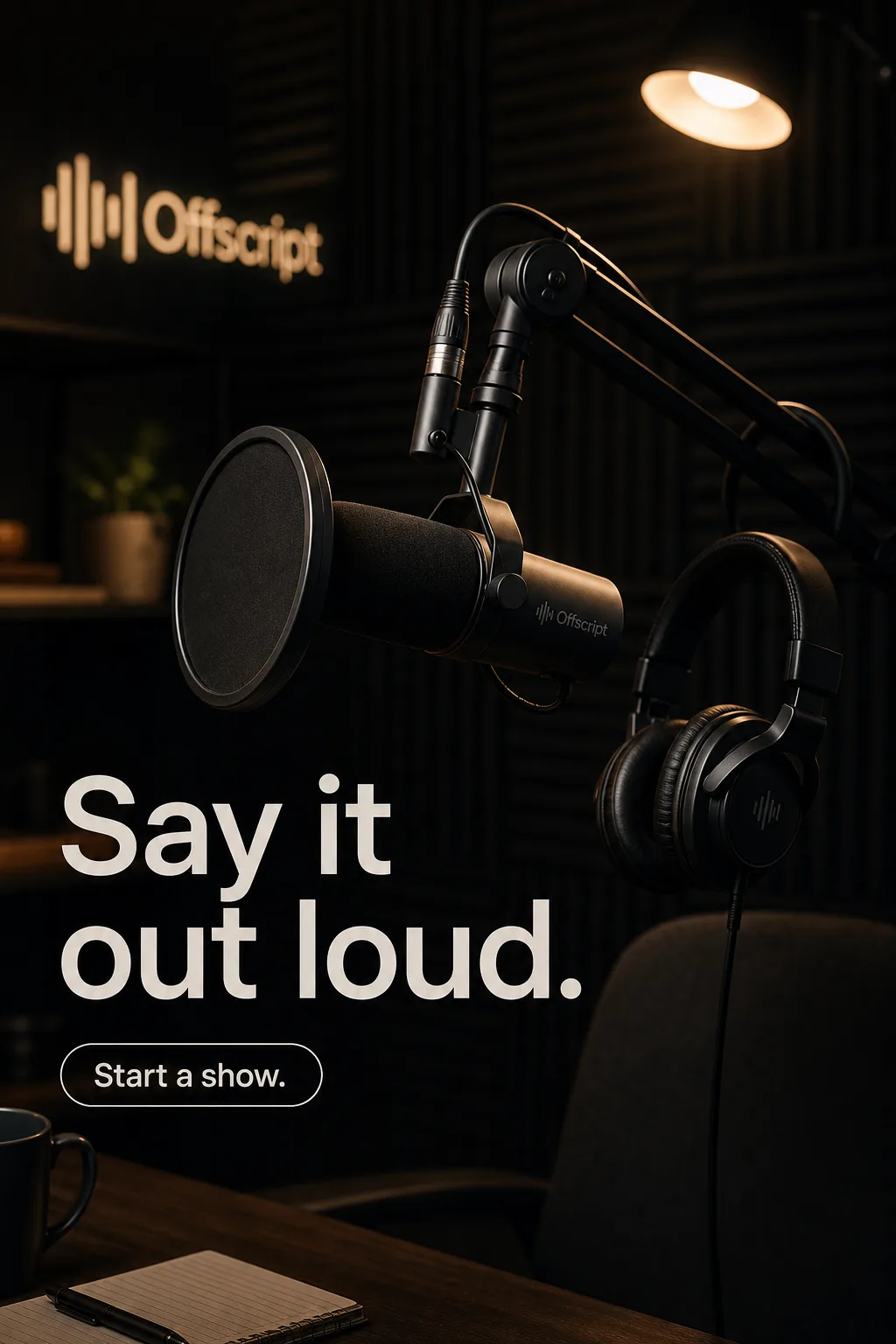 Creator Economy. Campaign creative that still feels like the person behind it.
Create your next beauty & cosmetics campaign this week
Turn your brief into the formats you need. Your first ad is free, no card required.
