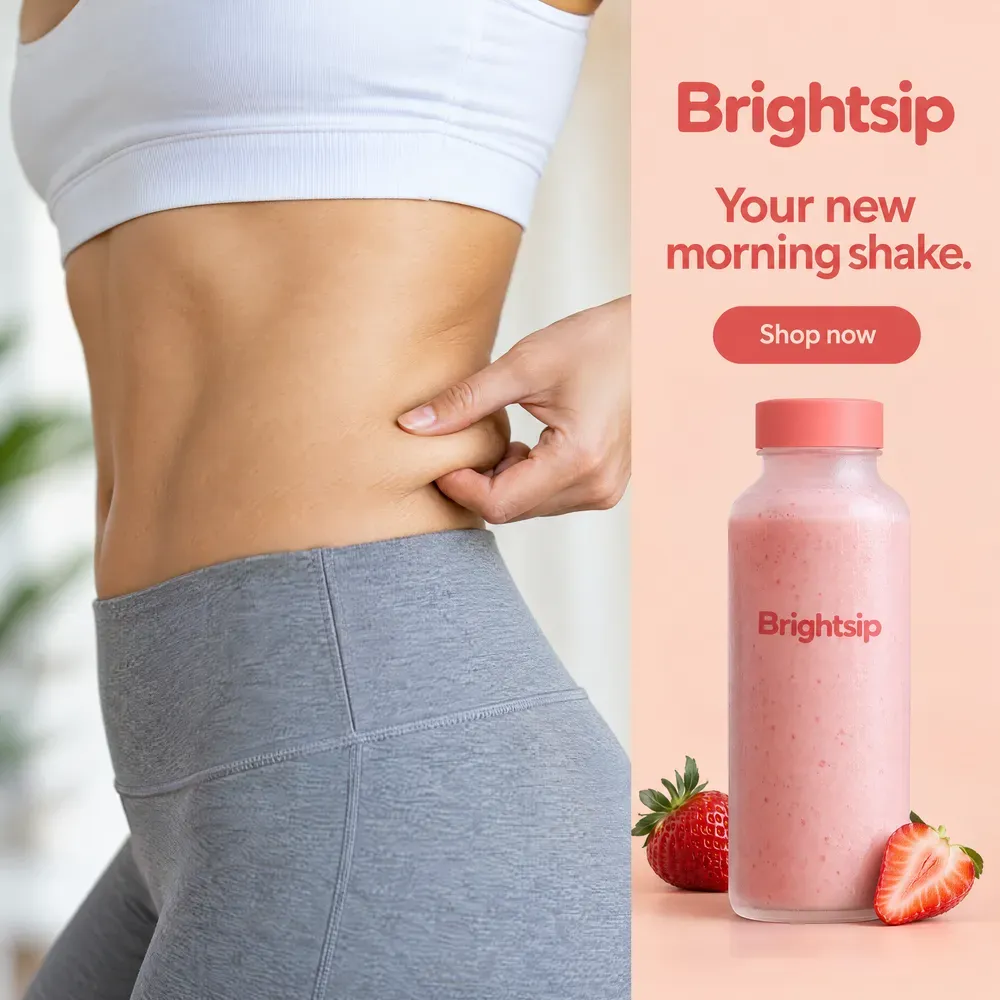
Pinterest Weight-Loss and Body-Image Ad Policy 2026: What Beauty, Wellness, and Health Brands Can (and Cannot) Run
Pinterest weight loss ad policy 2026 maintains a total ban on weight loss imagery. Learn how beauty and wellness brands can stay compliant in this guide.
Pinterest bans weight loss advertising outright. The 2026 policy keeps a zero-tolerance stance on weight loss imagery and language, and it applies to the landing page as well as the Pin. For beauty and health DTC teams, that removes the top-of-funnel catch-all that used to carry any wellness product.
The policy is stricter than Meta or Google in one specific way: it does not only ban misleading claims. It bans the category. A truthful weight loss claim is still a violation.
Meta draws the line differently: weight-loss ads are allowed, but specific images are not, including a close-up on a specific body area by pinching fat. That rejection, and the fix, is covered here.
Read the shift as a change in language rather than a change in demand: the audience is still there, and the words around it have moved. The compliance read is that the review system has moved with it.
The policy bans a category, not a claim
Since Pinterest banned weight loss ads outright, enforcement has moved from keyword filtering to computer vision models trained on intent. In 2026 those models look past individual words to what the creative implies about a body.
If an ad suggests that a user needs to change their body shape to be happy or healthy, the system flags it before it reaches the auction. That is a different test than a banned-word list, and it is why a rewrite of the headline alone rarely fixes a rejected Pin.
What is prohibited
Pinterest's advertising guidelines, checked October 21, 2026, are blunt about scope: "With the exception of approved healthcare advertisers in the US and Canada who promote prescription GLP-1 medication, we don't allow any weight loss language or imagery in advertisements." The prohibited list is short:
- Weight loss claims: any mention of shedding pounds, burning fat, or specific weight loss numbers.
- Before-and-after imagery: side-by-side body transformations are prohibited whether they are realistic or not.
- BMI references: any mention of Body Mass Index or similar metrics used to categorize body types as unhealthy.
- Body shaming: imagery or language that mocks or discredits certain body types or appearances, or that calls negative attention to areas of the body.
- Weight loss products: appetite suppressants, weight loss supplements, and detox teas designed for weight reduction.
The policy extends to the landing page. An ad about hydration that lands on a weight loss challenge will be pulled, because the crawlers check for consistency across the user journey rather than only on the Pin.
Where beauty and wellness can still run
The restrictions are tight, and Pinterest remains one of the highest-converting platforms for beauty and wellness brands that work inside them. The shift is from transformation to enrichment: lifestyle benefits instead of physical change.
Writing copy that passes on the first attempt is a skill worth building, and it starts with leaving the body out of the promise.
Permitted content categories
Platform documentation allows the following categories when they do not mention weight loss:
- Healthy lifestyle tips: nutrition advice, recipes, and meal planning focused on fueling the body rather than cutting calories.
- Fitness and exercise: workouts focused on strength, flexibility, or mental health, described as endurance or movement rather than fat burning.
- Skincare and aesthetics: products that focus on glow, hydration, or skin health without suggesting a change to body shape.
- Mental health and self-care: mindfulness, sleep hygiene, and stress management tools.
How the review reads an image
Pinterest runs a multi-layered review, and a human moderator is only one layer of it. The system includes:
- Optical character recognition: reads every word on the creative, including text overlays and background labels.
- Visual semantic analysis: identifies body-shaming cues such as zoomed-in waistlines, skin pinching, and measuring tapes.
- Metadata and alt-text review: reads the Pin description and alt text, where banned keywords often hide.
Running assets through pre-submission checks catches the high-risk visual elements before they reach the review queue. The five checks in this guide cover the same failure points.
The creative pivots that keep a campaign compliant
The table below maps the specific swaps required for Pinterest compliance in 2026.
| Feature | Prohibited (Non-Compliant) | Permitted (Compliant) |
|---|---|---|
| Imagery | Measuring tapes, scales, "pinching fat" | Active lifestyles, healthy meals, diverse bodies |
| Copy Hooks | "Lose 10lbs in 10 days" | "Energize your morning routine" |
| Testimonials | "I lost 30lbs using this supplement" | "I feel more focused and energized" |
| Visual Focus | Extreme close-ups of body parts | Full-body shots in a natural environment |
The traps that still catch health brands
Well-intentioned wellness brands fall into the same compliance traps. One is the use of AI-generated models. The 2026 policy includes clauses against unrealistic body proportions created by generative AI. A model who looks too perfect, or whose anatomy suggests an extreme fitness level the average person cannot reach, can be flagged for promoting an idealized body image.
The other is the guilt hook. The system is trained to identify language that creates a negative emotional state. Phrases such as "Don't be ashamed of your summer body" or "Tired of looking in the mirror?" are treated as body-shaming because they rely on insecurity to drive the click. Positive reinforcement works better: "Celebrate your body with movement."
A checklist before the next Pin goes live
- Audit the visuals: no measuring tapes, scales, or transformation cues in the image or video.
- Check the landing page: the destination cannot carry weight loss claims even when the ad is clean.
- Review the alt text: remove fat-loss and weight-loss keywords from the Pin's metadata.
- Diversity check: use Pinterest's Body Type Ranges tool so the creative does not lean on a single ideal.
- Language swap: replace burn, lose, and thin with strengthen, fuel, and glow.
Frequently asked questions
Can I advertise vitamins that happen to aid in weight loss?
You can advertise vitamins and supplements on Pinterest, but you cannot mention weight loss as a benefit. Focus on other health benefits such as metabolic support, energy levels, or nutritional balance. If the product's primary branding is about weight loss, it will likely be prohibited.
Is before-and-after imagery allowed for skincare?
Skincare is a gray area. Before-and-after for weight loss is strictly banned, and Pinterest generally allows it for topical skincare such as acne clearing or hydration as long as it does not cross into body modification. Many brands now use after shots only and focus on the final result.
What happens if the ad account is flagged for body image violations?
Pinterest is strict with repeat offenders. A single violation might produce a rejected ad, and multiple violations of the body image policy can lead to a permanent ban of the merchant feed and ad account. Keep up with policy changes on the HawtAds blog.
Does the policy apply to organic Pins?
This article covers paid media, and Pinterest's Community Guidelines apply to organic content as well. Organic Pins that promote eating disorders or extreme weight loss are subject to removal, and enforcement for advertisers is significantly more stringent.
The work in 2026 is to move from fixing the user to empowering the user. Body neutrality and functional wellness reach a high-intent audience without putting the ad account at risk.
If manual review cycles are the bottleneck, the copy review guide and the FDA enforcement guide cover the adjacent rules.