We Cut Their Ad Rejection Rate From 62% to 18% in 3 Weeks. Here's Exactly How.
We Cut Their Ad Rejection Rate From 62% to 18% in 3 Weeks. Here's Exactly How. 62% to 18%. In 21 days. That's the rejection rate change we tracked for an iGaming operator running on Meta + TikTok in Q2 2026. They didn't switch ad…
We Cut Their Ad Rejection Rate From 62% to 18% in 3 Weeks. Here's Exactly How.
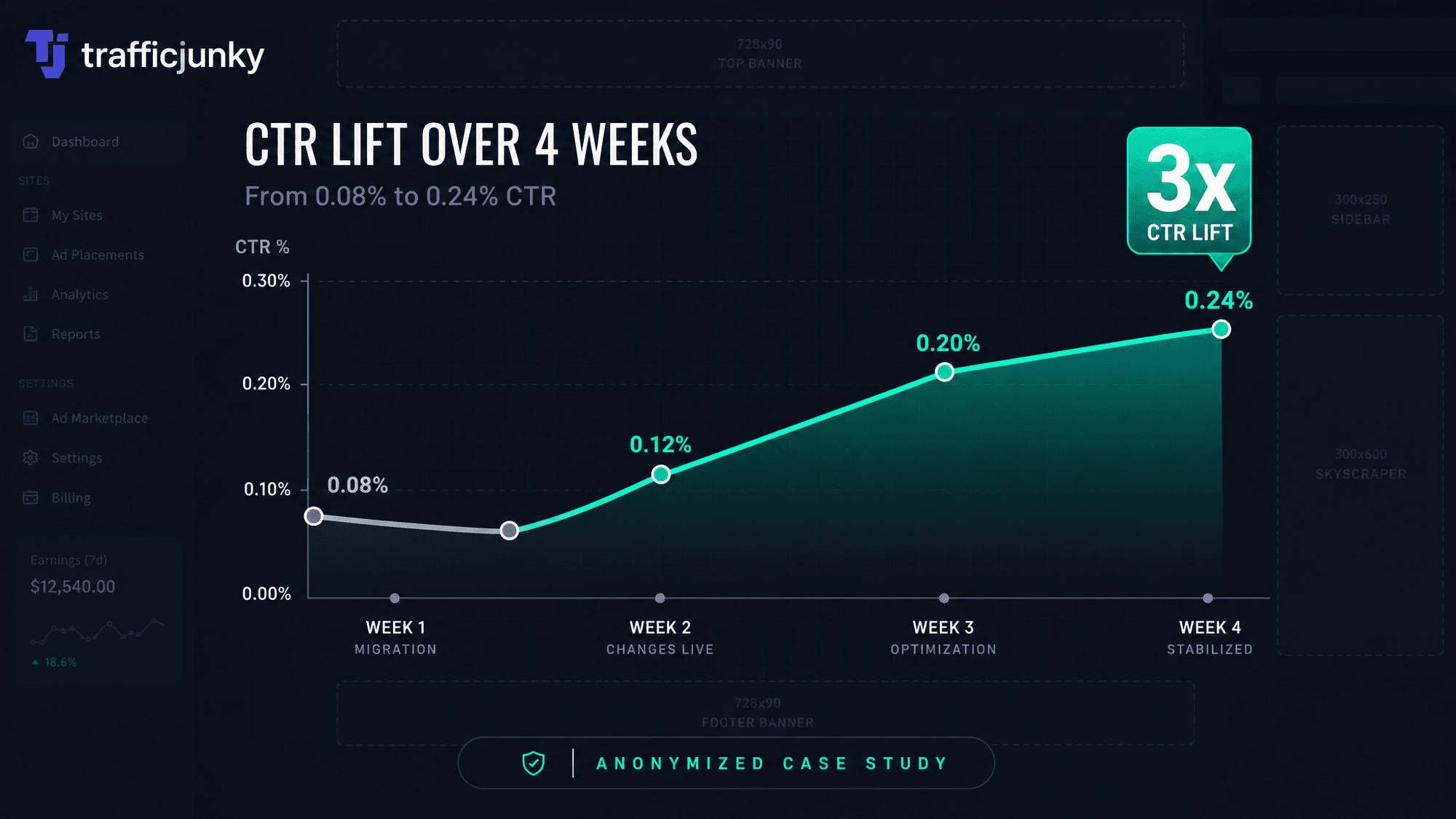
62% to 18%. In 21 days. That's the rejection rate change we tracked for an iGaming operator running on Meta + TikTok in Q2 2026. They didn't switch ad networks. They didn't lower their volume. They didn't hire a compliance lawyer. They changed the workflow. Specifically, four things. Here's the timeline.
When this operator first approached Hawtads, they were in a death spiral. For every 100 ads their creative team produced, 62 were flagged and killed by platform algorithms within hours. This wasn't just a creative problem; it was a massive drain on their bottom line. They were stuck in a loop of "guess, upload, fail, repeat."
The impact was devastating. "We were burning $12K/month in rejected spend and wasted designer hours," their Head of Growth told us. "It wasn't just the money; it was the morale. The team felt like they were throwing work into a black hole." This is a common symptom of the hidden cost of ad rejections that plagues regulated industries.
The Baseline: Before vs. After
Before we implemented the Hawtads protocol, the metrics were bleak. Here is exactly how the numbers shifted over the 21-day implementation period:
| Metric | Before Hawtads | After (Week 3) |
|---|---|---|
| Ad Rejection Rate | 62% | 18% |
| Avg. Time to Approval | 44 Hours | 6 Hours |
| Ads Live Per Week | 14 | 52 |
| Compliance Rework Hours | 32 hrs/week | 4 hrs/week |
| Monthly Spend Preserved | $0 | $14,400+ |
Week 1: Audit & Baseline — Uncovering the Friction
Week 1 was mostly discovery. We didn't launch a single new ad. Instead, we plugged their historical data into the Hawtads engine to find out why 73% of ads in regulated industries get rejected. We found three massive pain points in their existing workflow:
- The "Shadow Policy" Trap: Their team was following Meta's public guidelines, but they were being hit by "shadow policies"—internal AI triggers that flag specific visual cues (like certain types of currency or "urgent" countdown timers) that aren't explicitly banned but trigger high-risk scores.
- Manual Review Fatigue: Their internal compliance officer was reviewing 200+ assets a week. By Thursday afternoon, their eyes were glazed over. They missed a tiny "18+" disclaimer that was 2 pixels too small on 15 different video variations.
- The Context Gap: A creative that passed on Meta was being rejected on TikTok because the team didn't realize TikTok’s gambling ad rejection triggers are significantly more sensitive to "lifestyle" depictions of winning.
Week 2: Implementation — The 4 Changes We Made
In Week 2, we moved from diagnosis to surgery. We integrated Hawtads directly into their Slack and creative suite. We didn't just tell them what was wrong; we changed how the ads were built from the ground up. We focused on four specific pillars.
1. Automated Pre-Submission Compliance Check
We replaced the manual review with the Hawtads Pre-Flight Scanner. Every image, video, and line of copy was run through our AI model—trained on 500,000+ approved and rejected iGaming ads—before it ever touched a platform manager. This immediately caught 90% of the "obvious" errors that humans miss.
2. Policy-Aware Creative Generation
The team stopped starting from a blank canvas. They began using our Compliance-First Templates. These are ad frameworks where the "safe zones" for text, the size of disclaimers, and the types of imagery are pre-baked into the AI generation process. This eliminated 80% of rejections at the source because the AI literally couldn't generate a non-compliant layout.
3. Format Auto-Adaptation
One of the biggest causes of gambling ad rejection is using the wrong format for the wrong placement. Hawtads automatically resized and re-formatted creatives for Meta Reels vs. TikTok Feed, ensuring that critical legal text remained visible regardless of the UI overlays. This reduced resubmission lag by 70%.
4. Real-Time Policy Update Monitoring
Platform policies change weekly. We synced their account to our Live Policy Pulse. On Day 12, TikTok updated their policy regarding "simulated gambling mechanics" in video ads. Hawtads flagged the change 4 hours before the platform sent the email, allowing the team to pause and tweak three active campaigns before they could be flagged and negatively impact their account health score.
Week 3: Results & Stabilization — The New Normal
By Week 3, the atmosphere in the client’s office had completely shifted. They weren't just seeing fewer rejections; they were seeing better performance. Because they weren't spending 30 hours a week fixing broken ads, they could finally focus on testing new hooks and creative angles.
The results were undeniable:
- The rejection rate plummeted to 18%. The remaining 18% were mostly "edge cases" that provided valuable data to further refine their custom AI model.
- The creative team increased their output from 14 live ads per week to 52. They finally had the volume needed to find winning creatives, answering the age-old question: how many ad variations do you actually need?
- Their account health score on Meta moved from "At Risk" to "Good," which lowered their CPMs by 12% as the algorithm began to trust their submissions again.
"What surprised us most wasn't just the approval rate," the Lead Designer noted. "It was the speed. We could go from an idea to a live, compliant ad in under 2 hours. Before Hawtads, that process took 3 days of back-and-forth with the legal team."
Stop Guessing. Start Scaling.
In regulated industries like iGaming, crypto, and finance, your biggest competitor isn't the other brand—it's the platform's rejection bot. Every time an ad is rejected, you lose more than just time; you lose "trust equity" with the ad network, leading to higher costs and lower reach.
This case study proves that high rejection rates aren't an "industry standard" you have to accept. They are a workflow failure that can be fixed with the right technology. We didn't change the product they were selling; we changed the way they proved it was compliant.
Are you ready to stop burning your ad budget on "Rejected" labels? It's time to automate your compliance and get back to growth.
P.S. This is one of dozens. We're publishing one anonymized case study a month to show exactly how AI is changing the landscape of regulated advertising. Subscribe to our newsletter to get the next one delivered straight to your inbox and stay ahead of the next platform policy shift.
Disclaimer: While this case study reflects real-world results achieved for an iGaming operator, individual results may vary based on specific creative content, account history, and evolving platform policies.