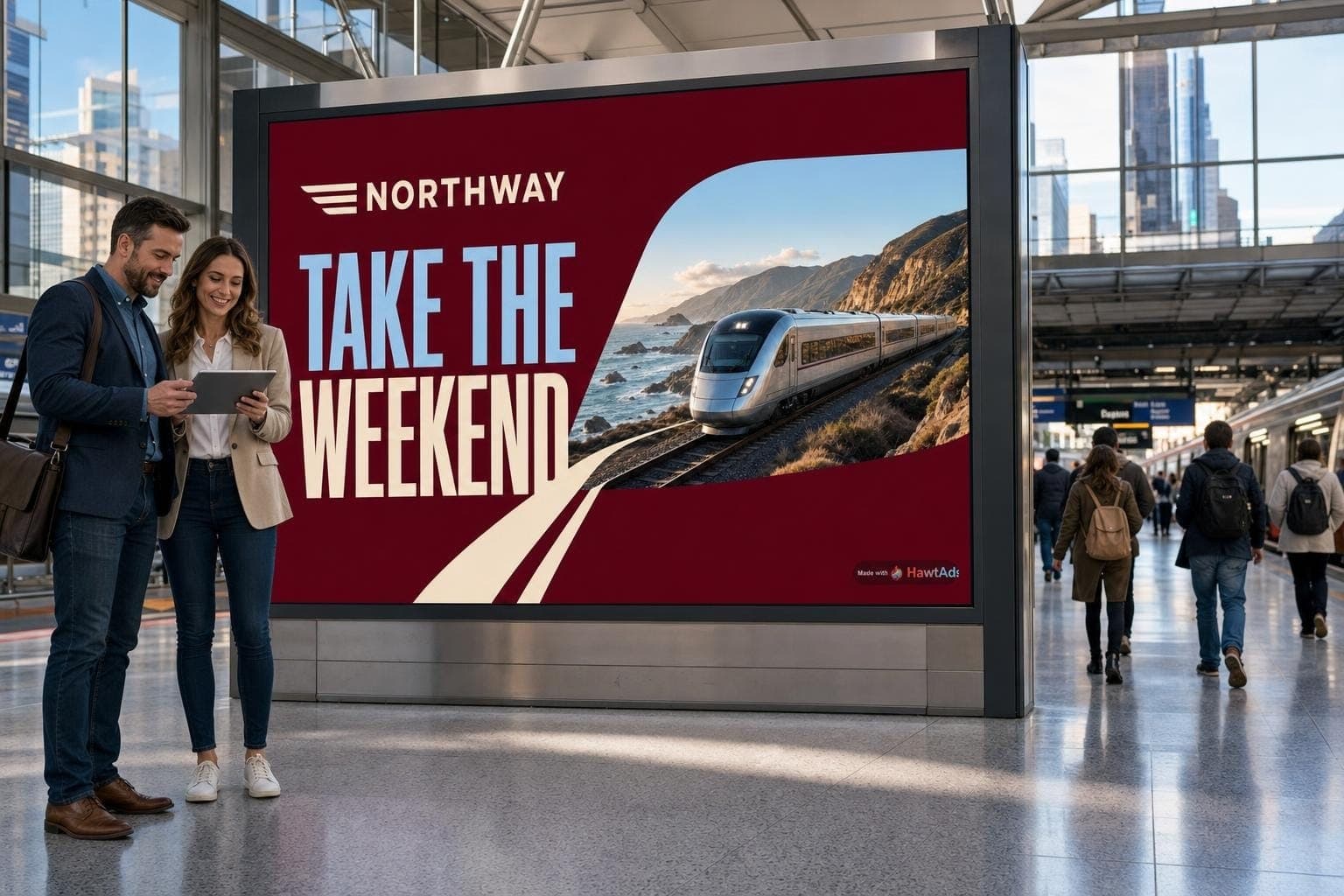
Digital Out of Home6 min read
How to evaluate a DOOH platform
A neutral, practical way to compare DOOH platforms by the job you need done, the screens you need to reach, and the proof you need afterward.
Learn how digital out-of-home campaigns move from venue and audience context to creative systems, screen delivery, measurement, and useful operational records.
11 articles in this topic
A neutral, practical way to compare DOOH platforms by the job you need done, the screens you need to reach, and the proof you need afterward.

Good DOOH creative starts with the room, road, store, or vehicle where it will appear. Here is a practical venue-first design process.
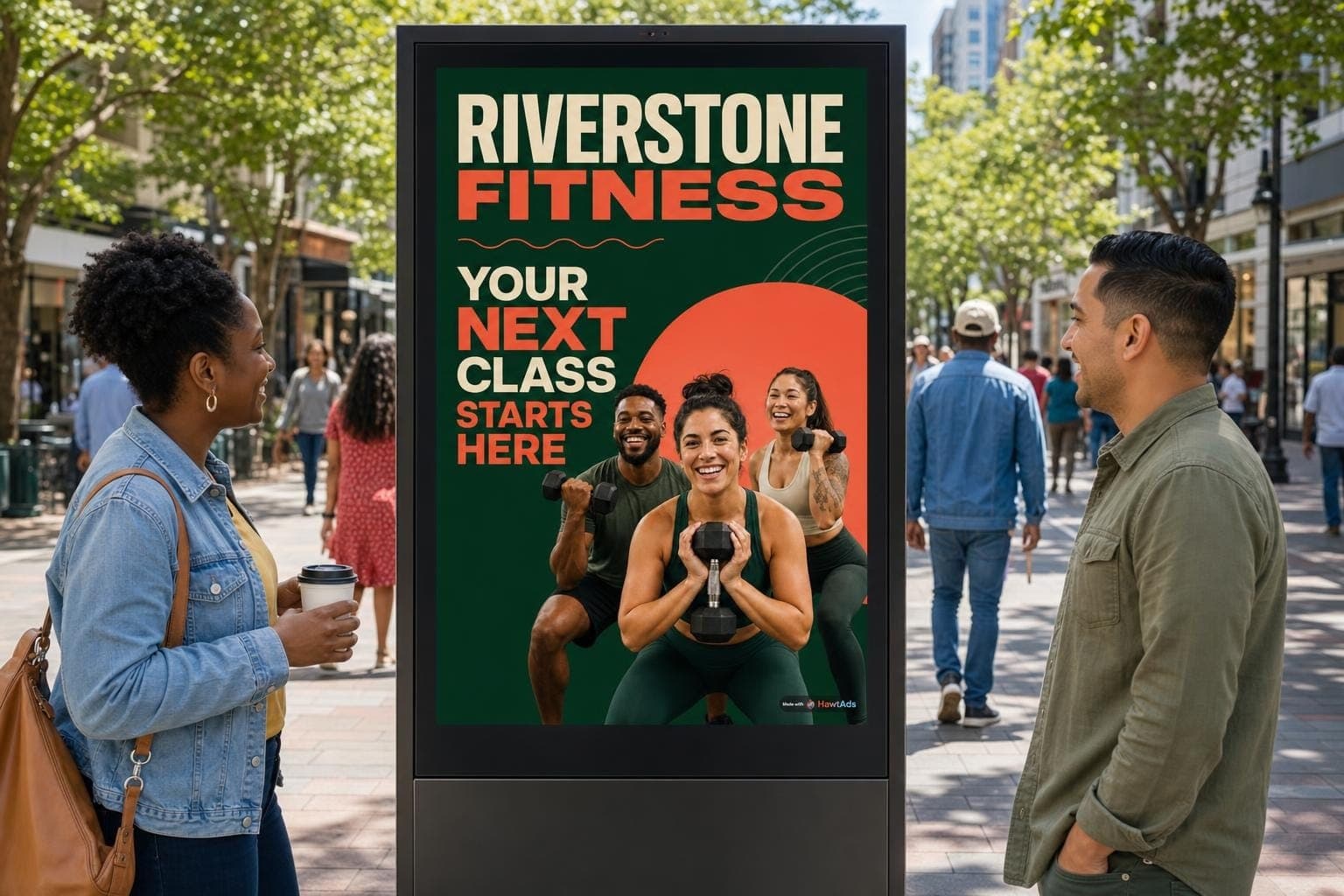
A candid readiness check for marketers who want to try programmatic DOOH without buying more complexity than their team can handle.
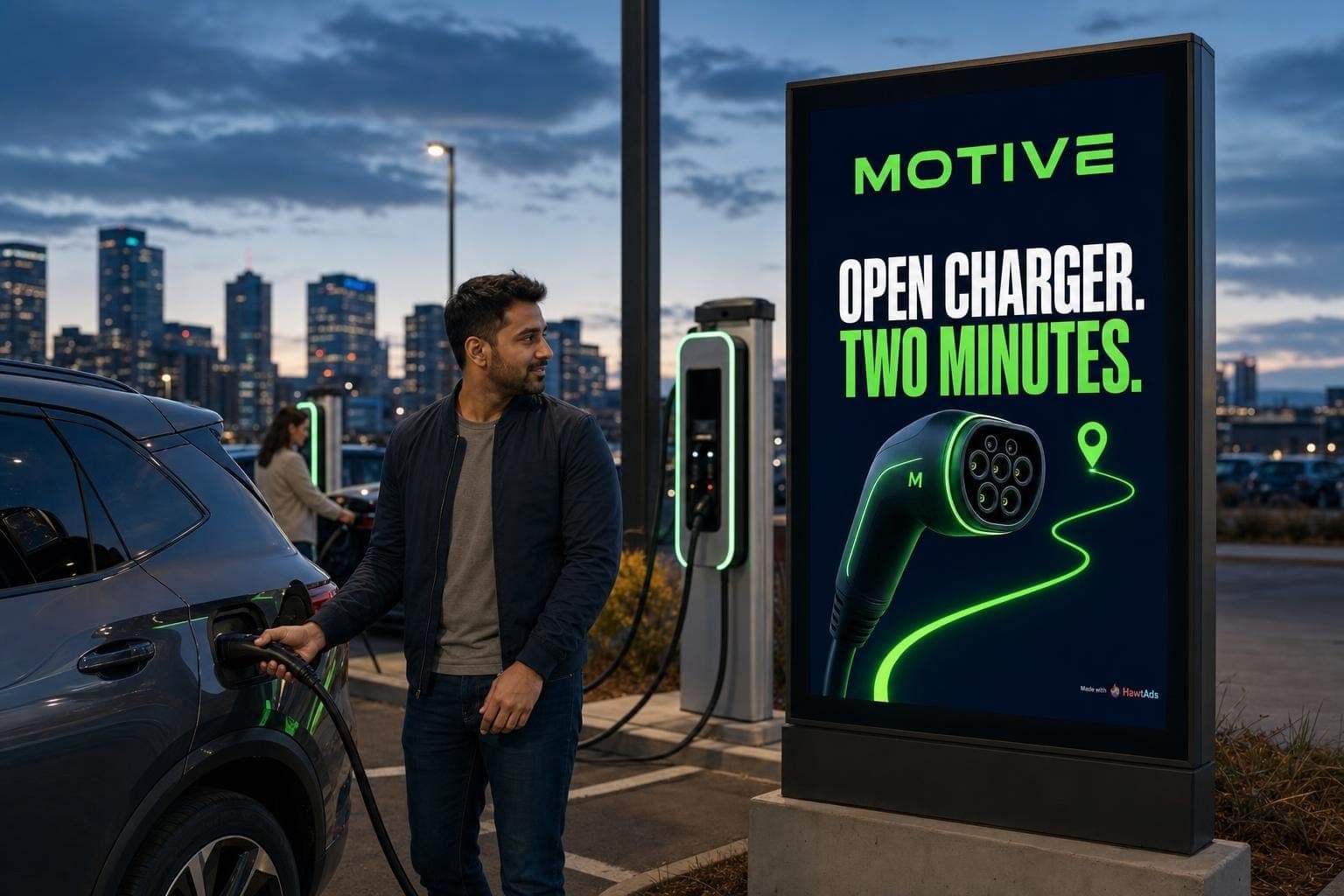
An agent that can make a DOOH ad also needs permissions, rules, validation, delivery records, measurement, and a fallback that works.
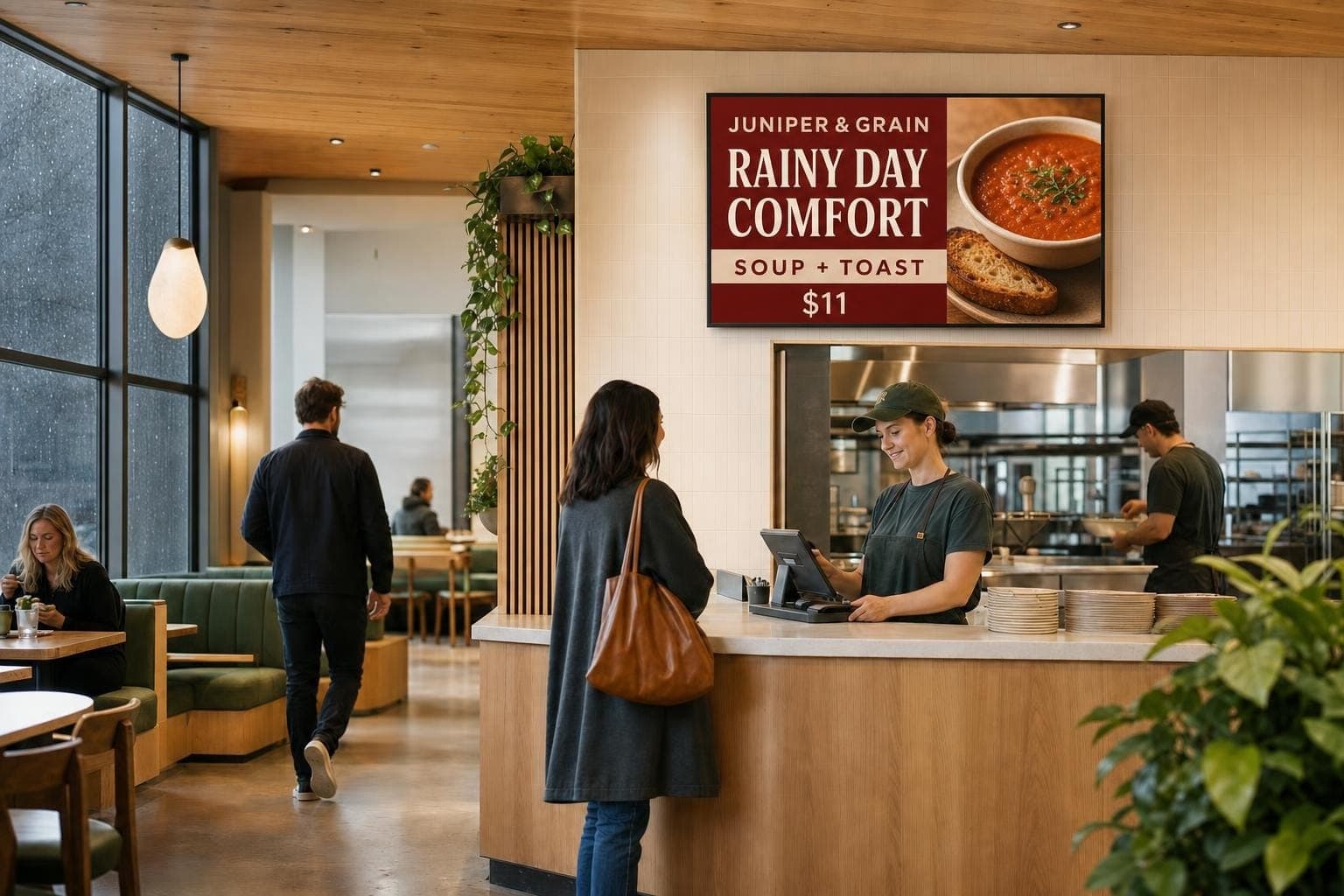
A restaurant screen can respond to breakfast, lunch, rain, inventory, and service speed without becoming chaotic. Here is a practical way to run it.
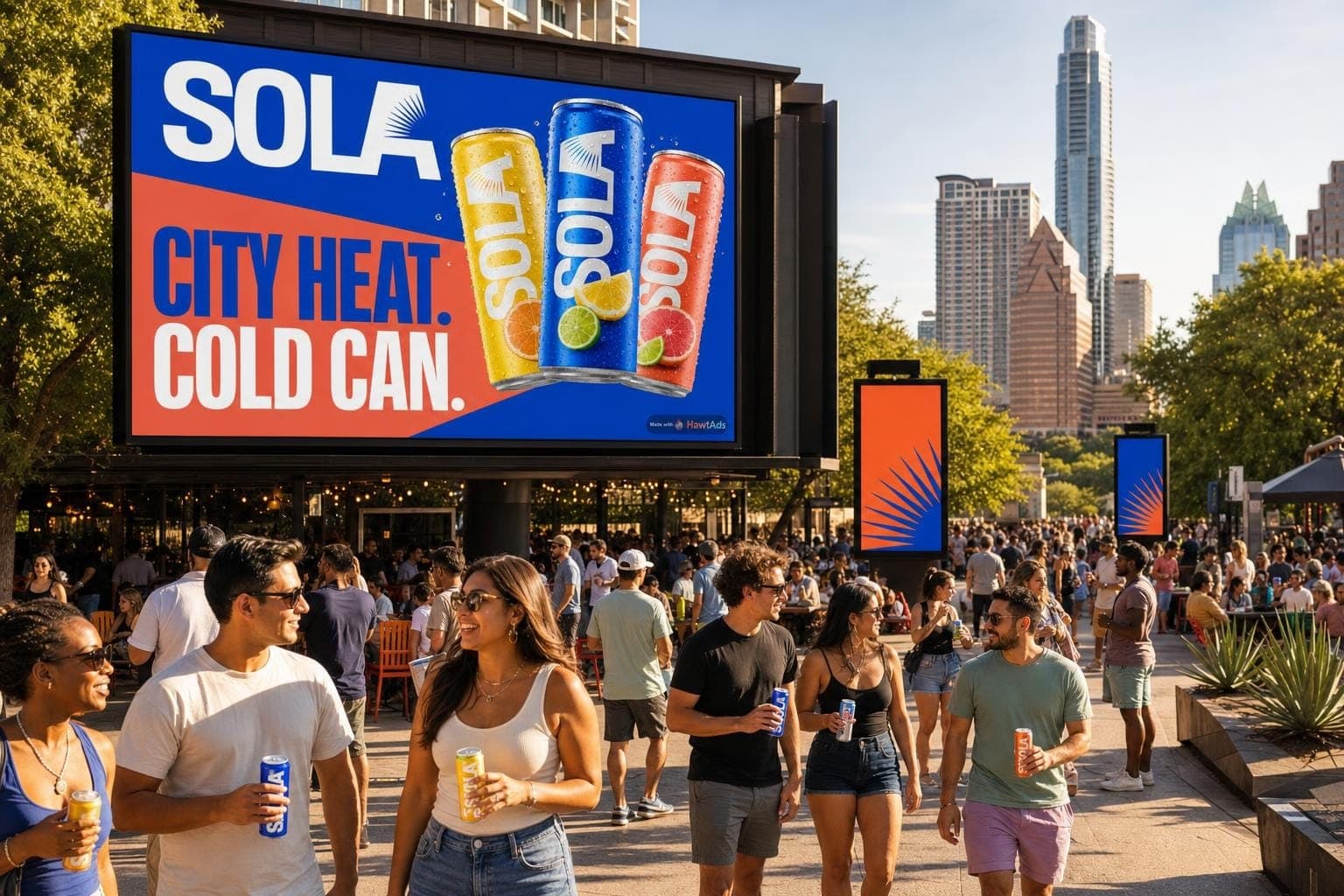
Scaling DOOH creative takes more than resizing one file. It takes an inventory map, fixed brand rules, useful references, approvals, fallbacks, and a…
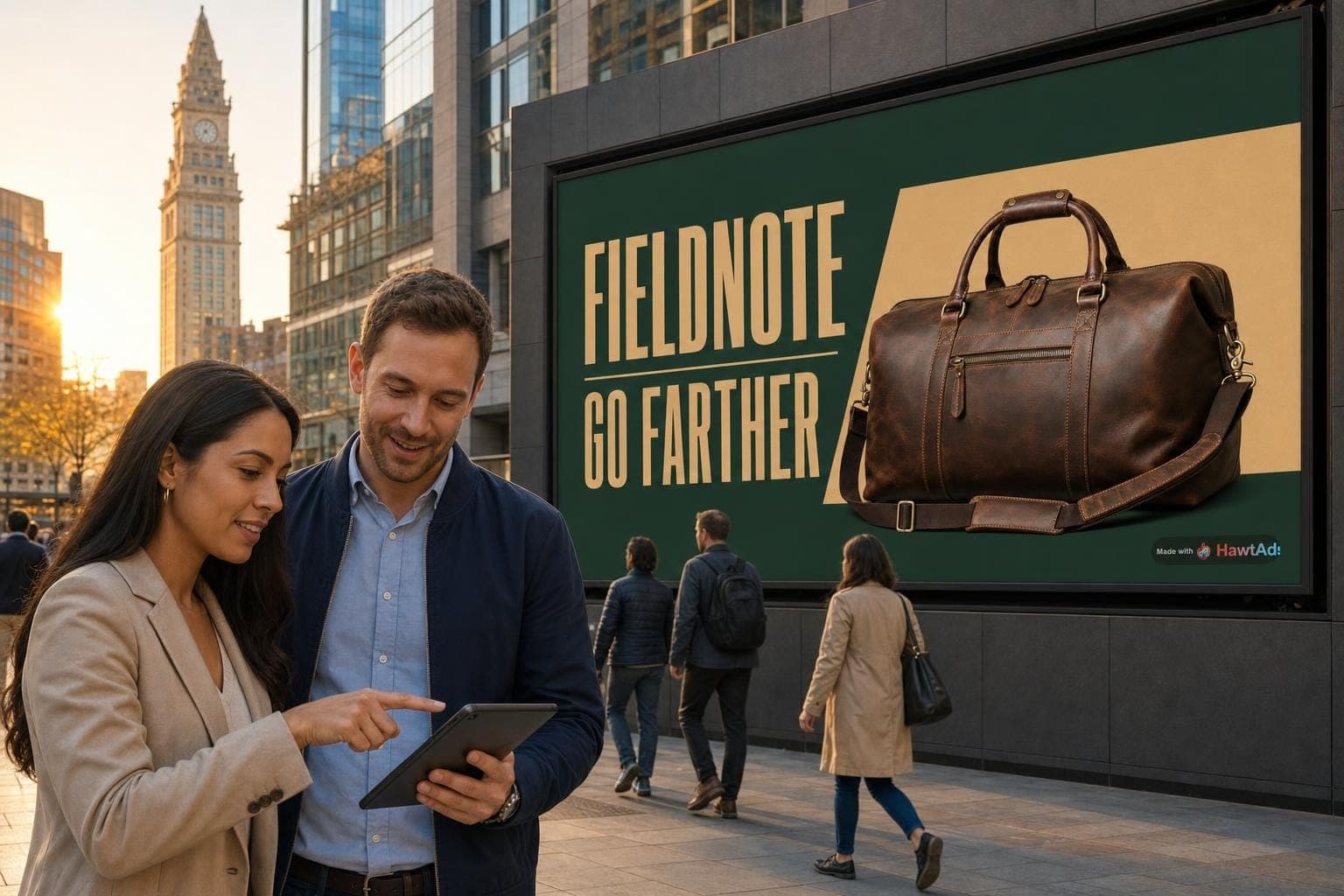
A screen play is not a person, an estimated impression is not a click, and attribution is not proof. Here is a practical way to measure DOOH.

DOOH can work with everything from weather and inventory to profiles and biometric signals. The key is matching the data, screen, and campaign.
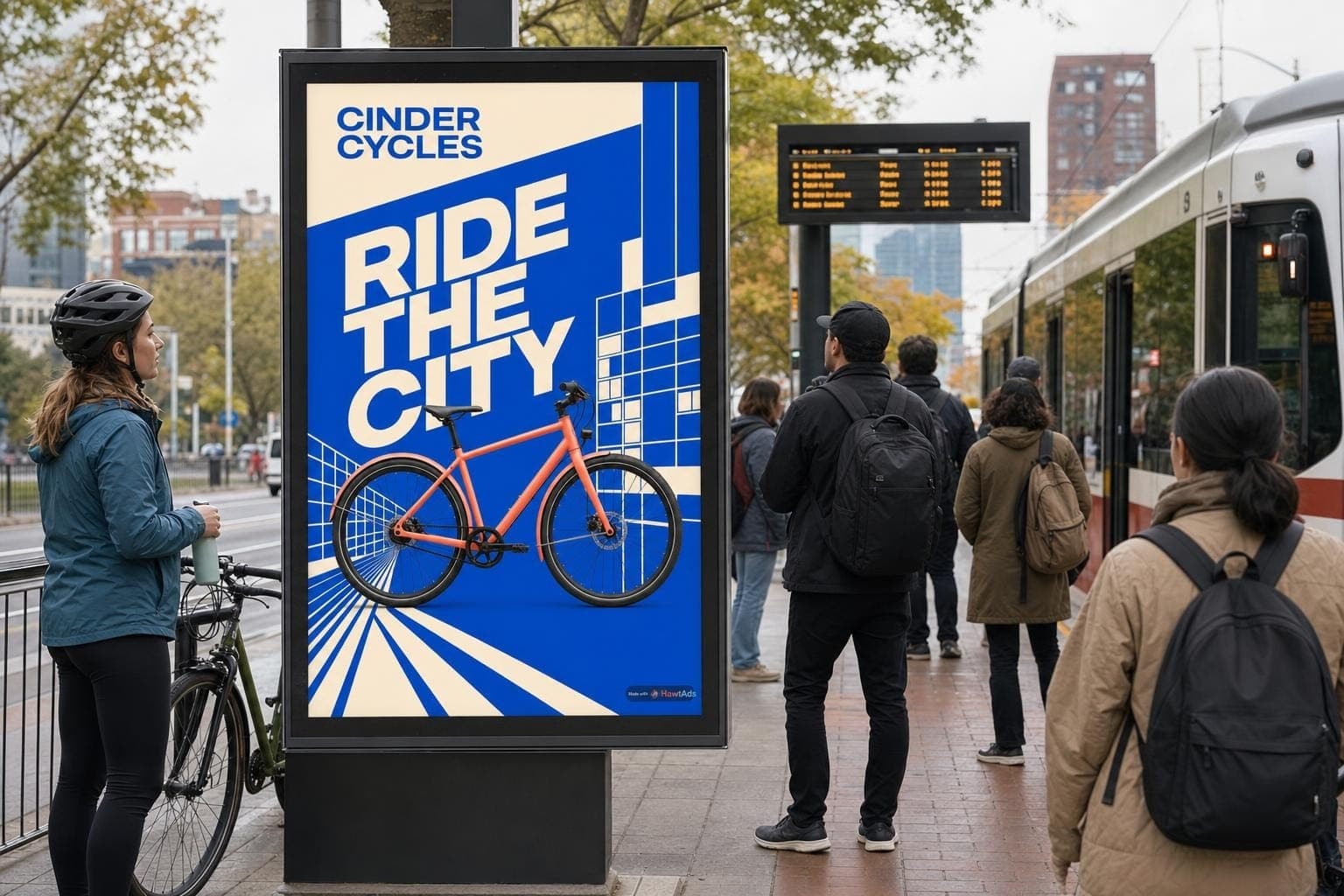
A plain-language tour of the DSPs, SSPs, exchanges, media owners, screens, deals, and measurement behind programmatic DOOH.
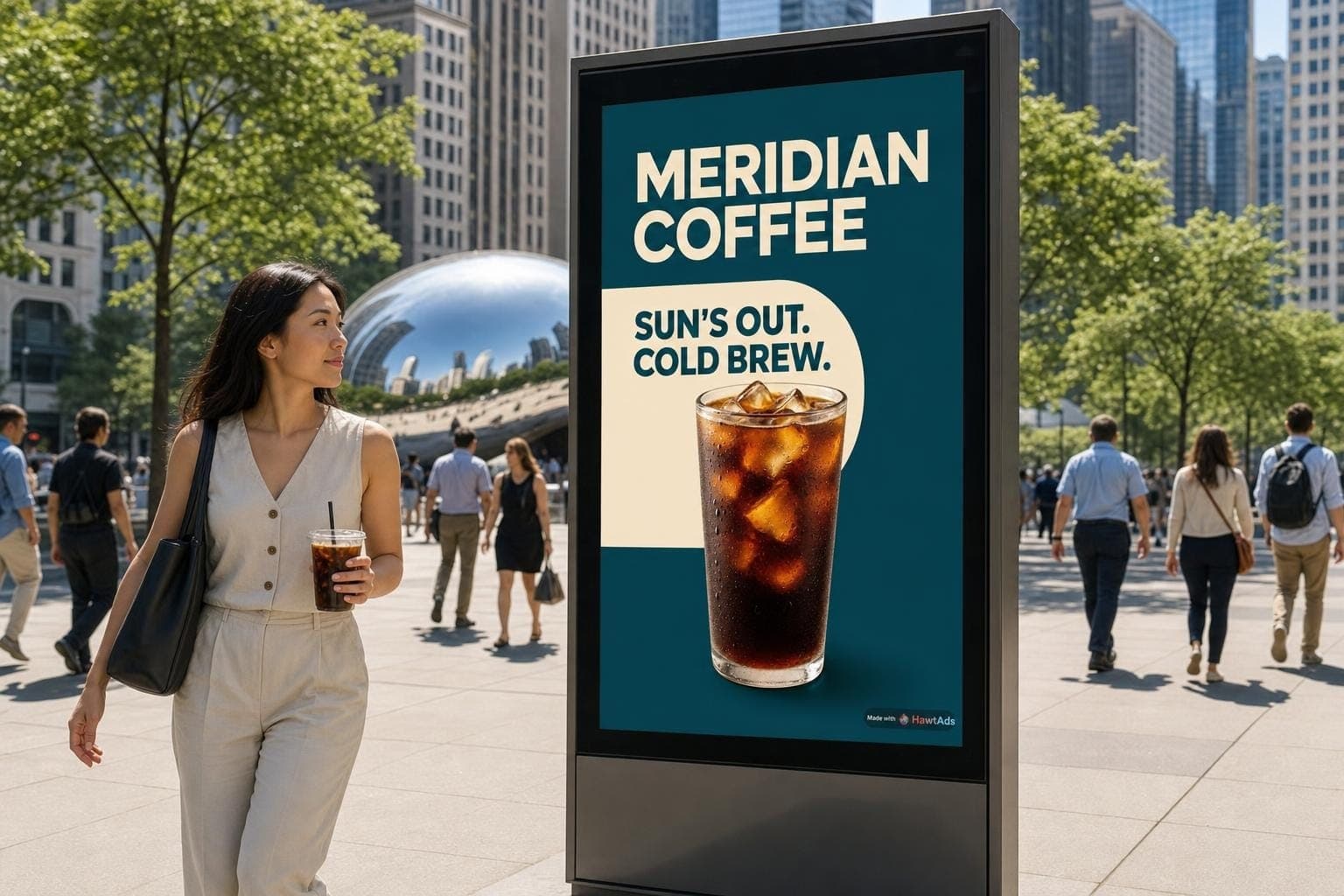
Dynamic templates and generative creative both react to context, but they solve different problems. Here is where each approach belongs.
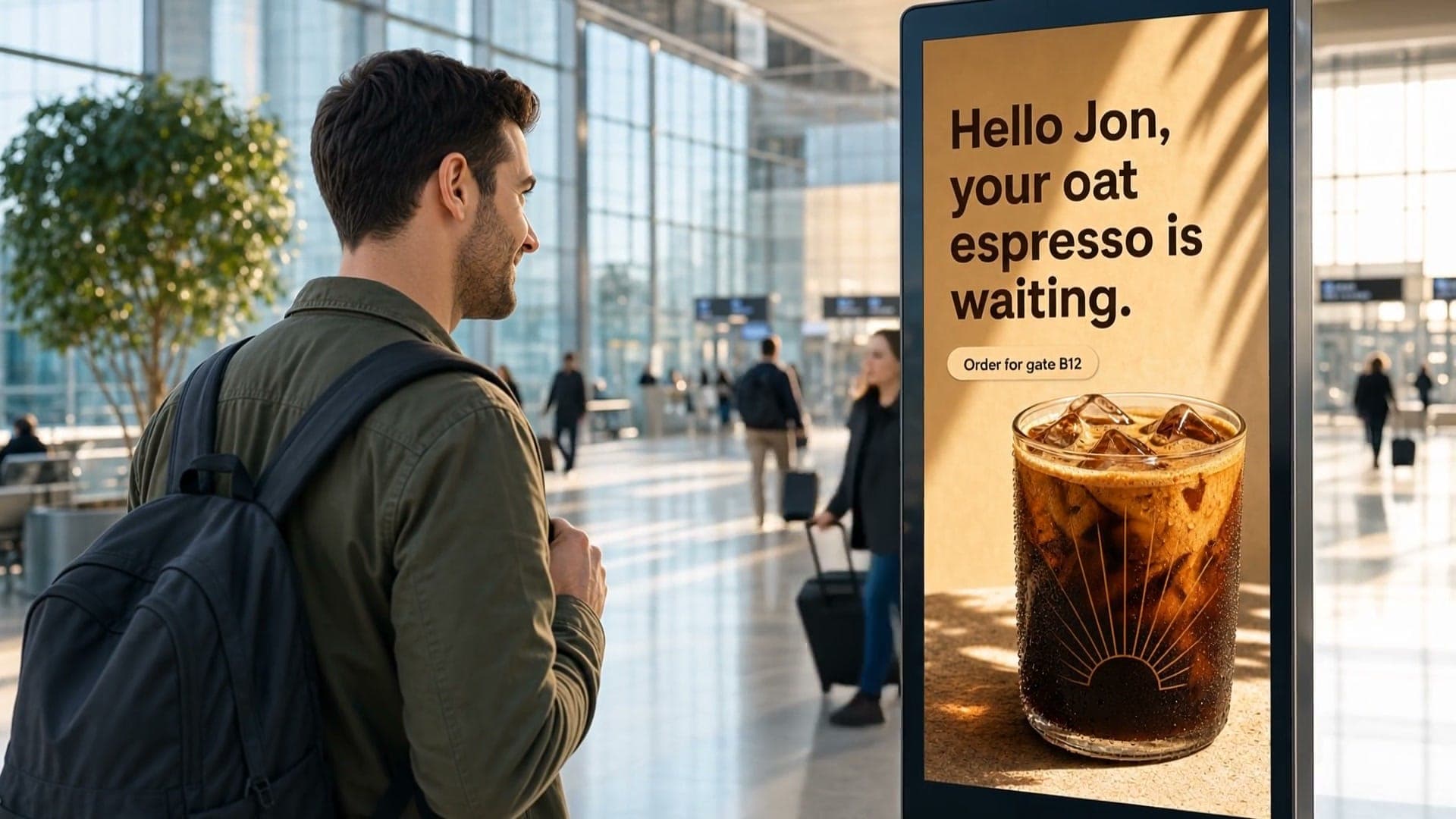
DOOH is moving beyond scheduled files toward creative made for a screen, a place, and a moment. Here is how that shift changes the work.
